
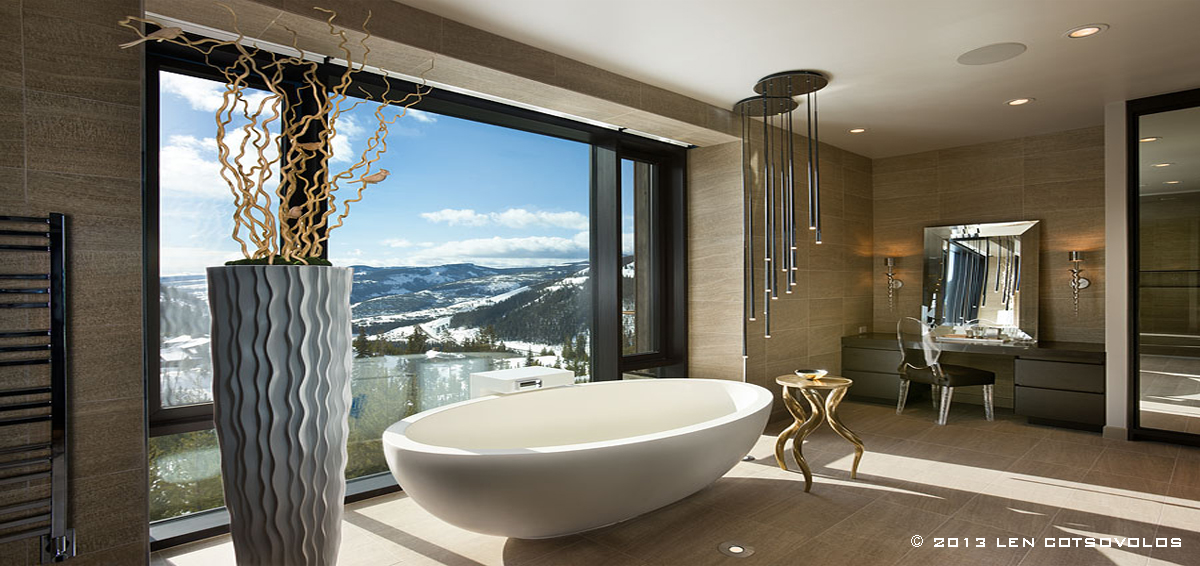
In luxury bathroom design, what you leave out can be just as important as what you put in.
Negative space is the open, intentional space around key design elements. It gives the eye somewhere to rest. It allows materials to stand out. It helps a room feel calmer, more refined, and more expensive.
This is especially important when designing around a freestanding bathtub.
A beautiful bathtub needs room to be appreciated. Its shape, silhouette, and craftsmanship are part of the design. When the surrounding space is too crowded, the impact can get lost.
When there is enough breathing room, the bathtub becomes a true focal point.
Why Negative Space Matters
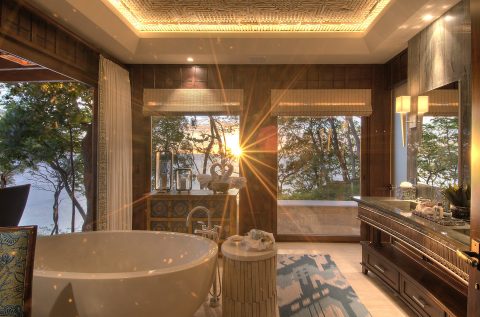
Luxury does not always come from adding more.
In many of the most beautiful bathrooms, the sense of luxury comes from restraint. The space feels open. The materials feel intentional. The design does not feel rushed or overfilled.
Negative space creates that sense of ease.
It allows a freestanding bathtub to feel sculptural rather than squeezed into place. It helps the bathroom feel designed, not simply decorated. It creates a sense of calm that is often associated with high-end homes, boutique hotels, private villas, and resort bathrooms.
The result is a room that feels elevated without trying too hard.
Give the Bathtub Room to Breathe
A freestanding bathtub is designed to be seen from multiple angles. Unlike a built-in tub, it is not hidden within tile or enclosed by surrounding materials. Its beauty comes from its form, finish, and placement.
That is why space planning matters.
The bathtub should feel comfortably placed within the room. There should be enough space around it for movement, cleaning, and visual balance. It does not always require an oversized bathroom, but it does require thoughtful layout.
A freestanding tub placed too tightly into a corner may lose some of its impact. A tub placed with intention near a window, feature wall, or beautiful light fixture can define the entire room.
Let One Element Lead
One of the easiest ways to use negative space well is to allow one element to lead the design.
In a luxury bathroom, that element is often the bathtub.
When the tub is the focal point, the surrounding details should support it rather than compete with it. This may mean choosing quieter tile, simple fixtures, soft neutral walls, or a more restrained vanity design.
The room does not need multiple bold statements.
A sculptural bathtub, beautiful natural light, and refined materials may be enough to create a memorable space.
 Avoid Over-Styling
 Avoid Over-Styling
Styling can add warmth to a bathroom, but too much styling can take away from the architecture of the room.
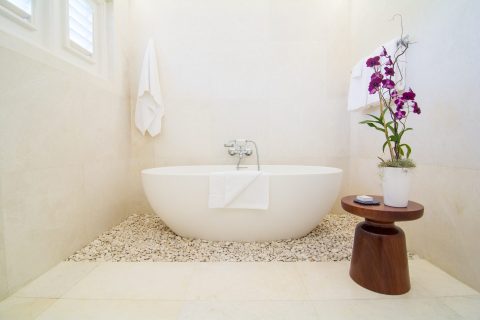
A freestanding bathtub does not need to be surrounded by excessive decor. In many cases, the most elevated choice is simplicity.
A small wood stool. A folded towel. A single vessel. A candle. A branch or greenery.
These details can make the space feel finished without making it feel busy.
The goal is to support the feeling of the room, not distract from it.
Use Materials with Intention
When a bathroom has more open space, the materials become even more important.
Stone, plaster, wood, ceramic, and metal finishes all contribute to the overall mood. Because there are fewer elements competing for attention, each material needs to feel intentional.
This is where quality matters.
A beautifully made bathtub can hold the room without needing much around it. Its proportions, finish, and craftsmanship become part of the architecture.
Tyrrell and Laing bathtubs are created for spaces where these details matter. Their freestanding forms bring presence, comfort, and artistry to bathrooms designed with restraint and refinement.
Design a Bathroom That Feels Effortless
Negative space is not empty space. It is a purposeful space.
It gives the bathroom a sense of calm. It allows the bathtub to stand out. It creates a more restful experience for the person using the room.
For homeowners, designers, architects, and hospitality properties, this kind of design can make a bathroom feel truly memorable.
A luxury bathroom does not need to be filled with more.
Sometimes, the most powerful design choice is giving the right piece enough room to shine.