
Choosing the right bathtub is one of the most important decisions in a bathroom design. While tile, fixtures, lighting, and finishes all play a role, the bathtub often defines the overall feeling of the space.
For homeowners, interior designers, architects, and hospitality properties, the decision often comes down to two main options: a freestanding bathtub or a built-in bathtub.
Both can be beautiful. Both can be functional. But they create very different design experiences.
A built-in bathtub is often chosen for practicality and space efficiency. A freestanding bathtub, on the other hand, is selected for its presence, comfort, and ability to turn the bathroom into a more elevated retreat.
If you are deciding which style is right for your project, here is what to consider.
What Is a Freestanding Bathtub?
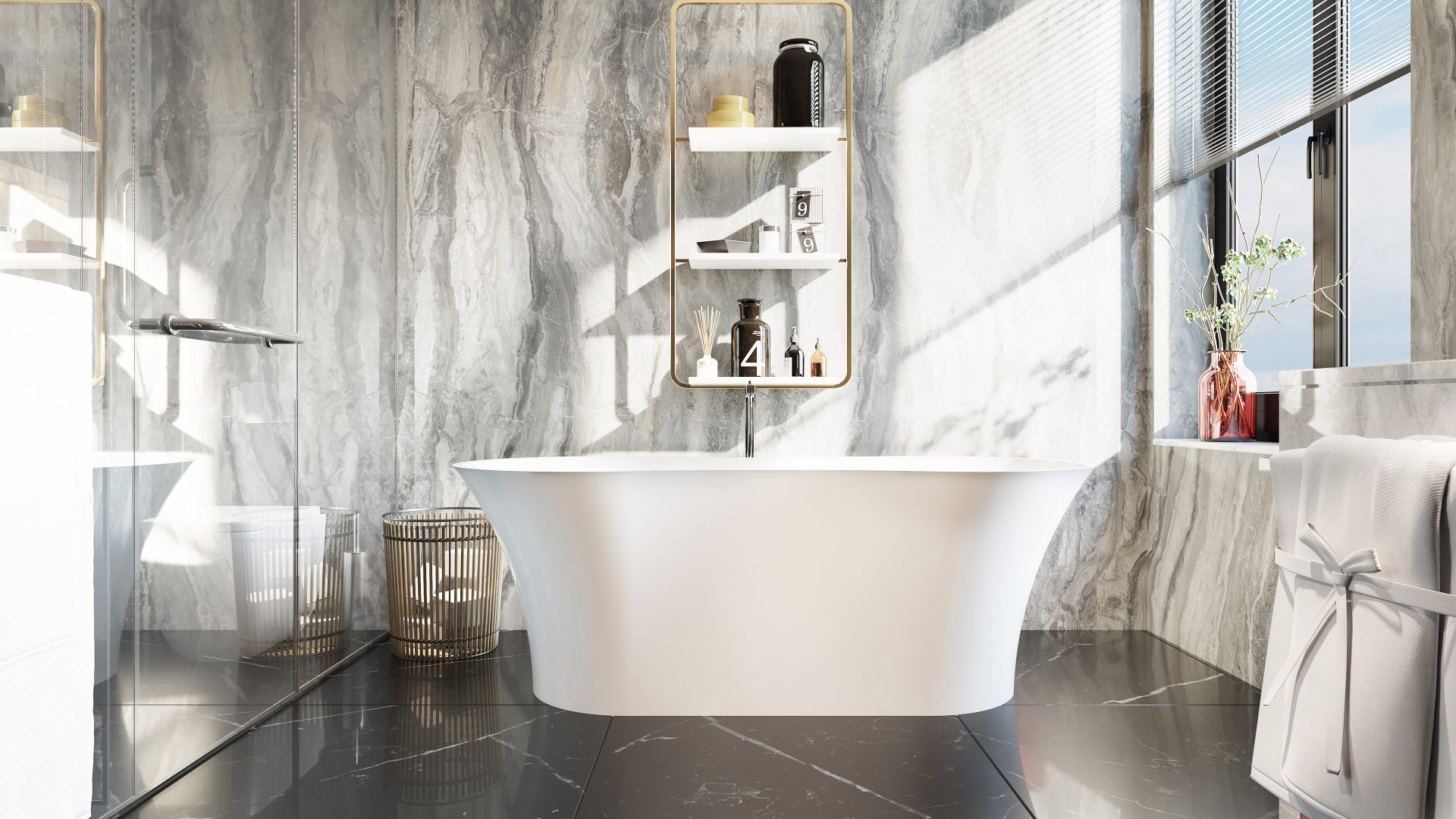
A freestanding bathtub is designed to stand independently, without being enclosed by walls or built into a deck. It is finished on all sides, allowing it to be placed in a variety of locations throughout the bathroom.
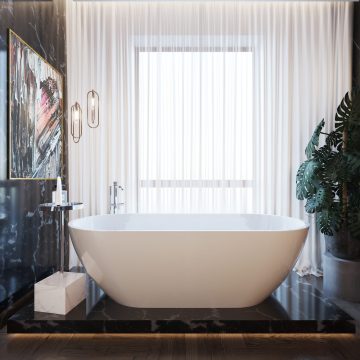
This style of tub is often used as a focal point. It can be positioned near a window, centered within the room, placed under a beautiful light fixture, or set against a feature wall.
Because it is visible from multiple angles, the shape and craftsmanship of a freestanding bathtub matter. The tub becomes part of the room’s architecture, adding sculptural beauty and a sense of luxury.
Freestanding tubs are especially popular in luxury residences, boutique hotels, resorts, and spa-inspired bathrooms because they create a memorable visual statement.
 What Is a Built-In Bathtub?
 What Is a Built-In Bathtub?
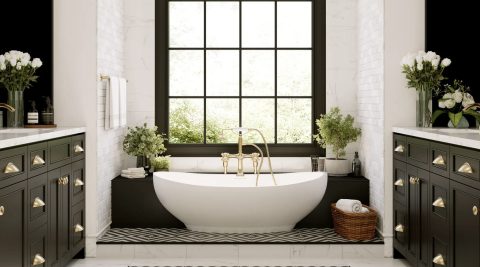
A built-in bathtub is installed against a wall or within a surrounding structure, such as a tiled deck or alcove. This is a more traditional bathtub style and is commonly found in many residential bathrooms.
Built-in tubs can be practical, especially in smaller spaces or bathrooms where a shower and tub combination is needed. They can also offer storage ledges around the tub depending on the design.
However, because built-in tubs are enclosed by surrounding materials, they usually feel more integrated into the room rather than becoming the main design feature.
For some spaces, that works beautifully. For others, especially bathrooms designed around luxury, relaxation, or hospitality-style impact, a freestanding bathtub may offer a more elevated result.
Design Impact
One of the biggest differences between freestanding and built-in bathtubs is visual impact.
A built-in tub tends to blend into the bathroom. It is often surrounded by tile or stone and becomes part of the room’s structure.
A freestanding tub stands on its own. It draws the eye, creates visual interest, and gives the bathroom a more intentional, designed feel.
This is why freestanding bathtubs are often used in primary bathrooms, resort suites, and luxury spaces where the goal is to create a sense of calm, beauty, and escape.
The bathtub becomes more than a fixture. It becomes the centerpiece.
Space Planning
Space is another important consideration.
A built-in bathtub can be a practical choice when the room is narrow, compact, or designed around an existing alcove. It can also be useful when a combined tub and shower is needed.
A freestanding bathtub typically works best when there is enough room around it to appreciate its shape. That does not always mean the bathroom has to be oversized. Many freestanding tubs can work beautifully in well-planned spaces, but the layout should allow for comfortable movement and proper installation.
When designing with a freestanding tub, placement matters. Consider how the tub will look from the doorway, how it relates to windows or natural light, and whether it feels balanced within the room.
A well-placed freestanding bathtub can make even a simple bathroom feel luxurious.
Comfort and Bathing Experience
Beyond aesthetics, the bathing experience is one of the most important factors to consider.
A beautifully designed freestanding bathtub can create a deeper sense of relaxation. The shape of the tub, the angle of the backrest, the interior depth, and the feel of the material all influence how enjoyable the bath feels.
Built-in tubs can be comfortable, but many are designed primarily for function. Freestanding tubs are often chosen for the experience they create: soaking, unwinding, and enjoying the bathroom as a retreat.
For luxury hospitality properties, this matters. A beautiful bathtub can become one of the details guests remember most. For homeowners, it can turn an everyday routine into something restorative.
Cleaning and Maintenance
Both freestanding and built-in tubs require thoughtful cleaning and care.
Built-in tubs often have surrounding grout lines, tile ledges, or seams that may require additional upkeep. Freestanding tubs have exposed sides, which can make them easier to access depending on the placement and surrounding space.
The material of the tub also matters. A high-quality bathtub made with durable materials can maintain its beauty with proper care and cleaning.
When choosing a bathtub, it is important to think not only about how it looks on installation day, but how it will live in the space over time.
Which Bathtub Style Feels More Luxurious?
While luxury is personal, freestanding bathtubs are often associated with a more elevated, spa-like experience. Their sculptural presence, flexible placement, and design-forward appearance make them a natural choice for bathrooms where aesthetics matter as much as function.
A freestanding tub can soften a modern space, add elegance to a traditional bathroom, or create a resort-inspired focal point in a coastal or hospitality setting.
It gives the bathroom breathing room. It creates a sense of intention. It makes the space feel designed rather than simply finished.
Which One Is Right for Your Bathroom?
The right choice depends on your space, lifestyle, and design goals.
A built-in bathtub may be the right fit if you need a highly practical solution, have limited space, or want a tub-shower combination.
A freestanding bathtub may be the better choice if you want the bathroom to feel elevated, spa-like, and visually memorable. It is especially ideal for primary suites, luxury homes, boutique hotels, resorts, and spaces where the bathtub is meant to be a central design feature.
If your goal is to create a bathroom that feels refined, peaceful, and deeply considered, a freestanding bathtub is often the more impactful choice.
Elevate the Bathing Experience
A bathtub should do more than fill a corner of the room. It should support the way the space feels, functions, and is experienced.
Tyrrell and Laing freestanding bathtubs are designed for bathrooms that value craftsmanship, comfort, and lasting beauty. With sculptural forms and a refined presence, each tub is created to transform the bathing experience.